
Your Gaming Skills Could Be Worth $15,000 and Here's Why
Can you imagine if, thirty years ago, someone had claimed that beating one of gaming's toughest challenges could actually help pay for college? It probably would have sounded like a joke, or maybe the plot of a comedy movie.
And yet, the University of Silicon Valley recently launched its Max Achievement Scholarship, a program that recognizes demanding achievements across a wide range of games. Among them are earning every achievement across the Dark Souls trilogy, completing all Sekiro achievements including the Gauntlet of Strength, getting the Platinum trophy in Elden Ring, or earning an S-Rank on every Cuphead boss on Expert difficulty. The program offers scholarships of up to $15,000 per year.
It's an unusual idea, and it raises an interesting point: why is the academic world beginning to take gaming seriously? The answer may lie in the soft skills that games can help players develop.
Anyone who has spent hours and hours repeatedly facing the same boss knows that difficult games rarely reward simply trying the same thing again and again. Failure becomes part of the learning process (yes, even those moments when you throw your controller in frustration and swear you'll never play again). A mistimed dodge, an attack you didn't anticipate, a boss killing you with only a sliver of health left all force you to understand what went wrong, adjust, and try again. It's a constant exercise in perseverance and adaptability.
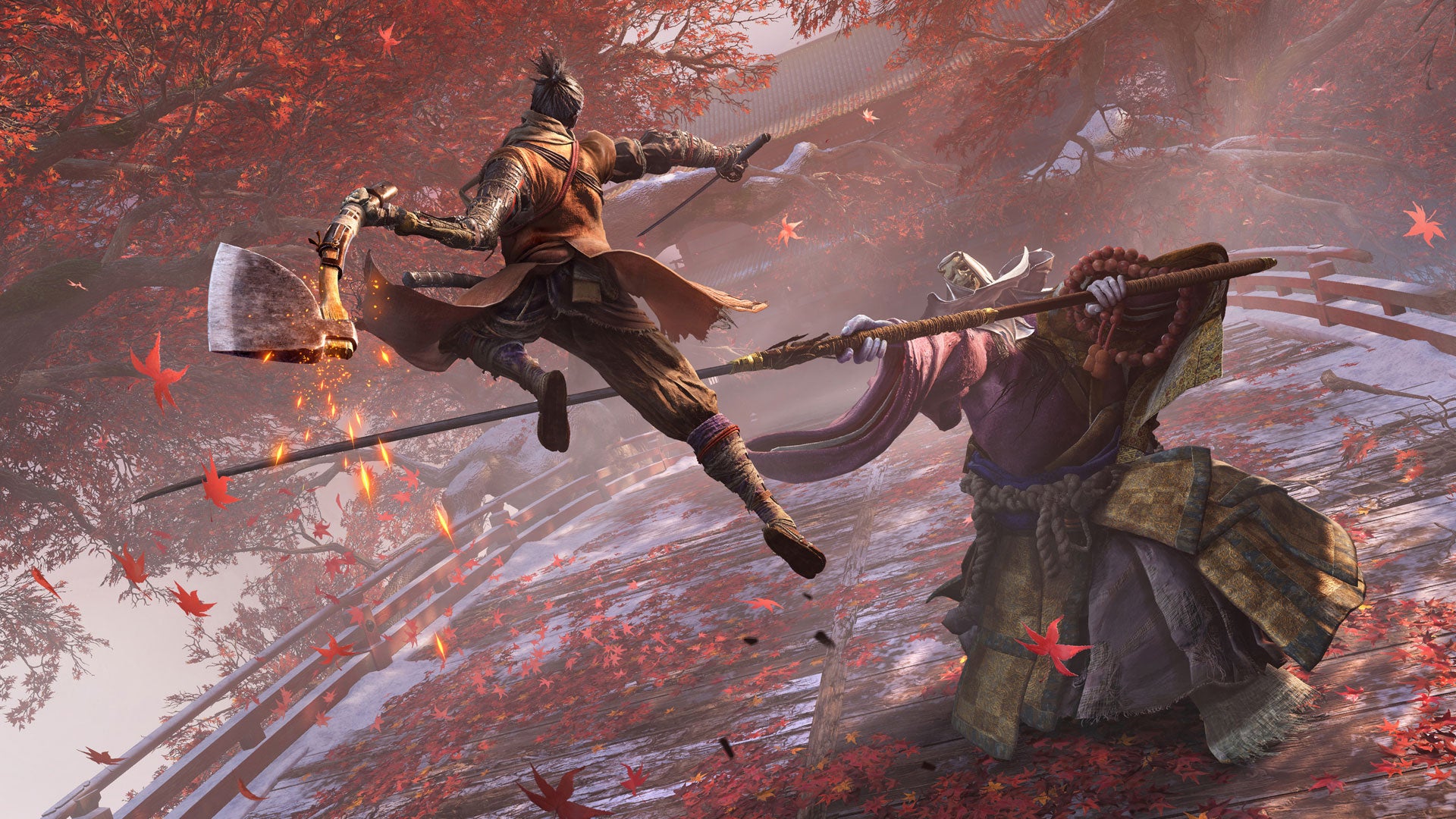
Speaking of adaptability, Sekiro is a good example. Players familiar with other FromSoftware games may initially rely on habits that served them well before, only to discover that Sekiro expects something different (good luck to anyone who relied on panic rolls!). Mastering deflections and posture means adapting to a new combat system instead of relying on what worked before.
Cuphead teaches a similar lesson in a different way. Its bosses can initially feel overwhelming, but repeated attempts gradually turn chaos and bullet hells into recognizable patterns that you learn to manage, attempt after attempt. You learn when an attack is coming, the spots where you need to be (and those that will get you killed), and which mistake ended the previous attempt. Every failure teaches you a little more about what to do differently next time, so the game trains pattern recognition, precision under pressure, and your ability to learn from mistakes.

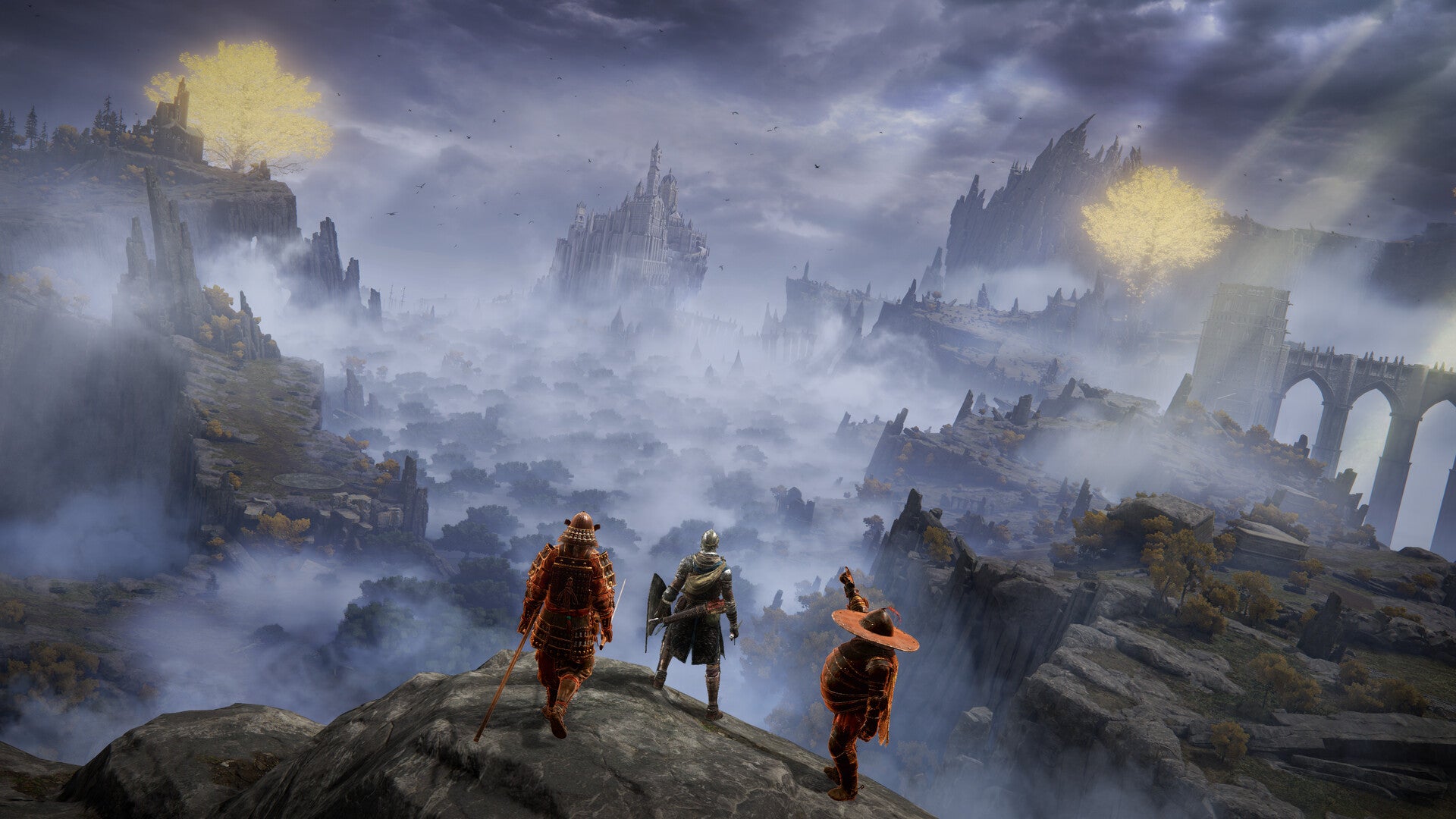
In games like Elden Ring, when facing an obstacle, the answer doesn't always have to "try harder", but sometimes "try differently". Players can reconsider their equipment or build based on an enemy's weaknesses, summon help, or return later with new resources and a few more levels. Sometimes perseverance isn't enough: knowing when and how to change your approach matters too, and that's where problem-solving comes into play.
All these skills don’t lose their usefulness when we turn off the PC. Adaptability, problem-solving, resilience, precision, and the ability to learn from failure are increasingly valued in the workplace, where employers look for people who can respond to change, overcome setbacks, and find solutions.
Seen from this perspective, USV's scholarship suddenly feels a little less surprising. And anyone who still says gaming is a waste of time might just have to think again, don't you think?
Chiara Fisichella